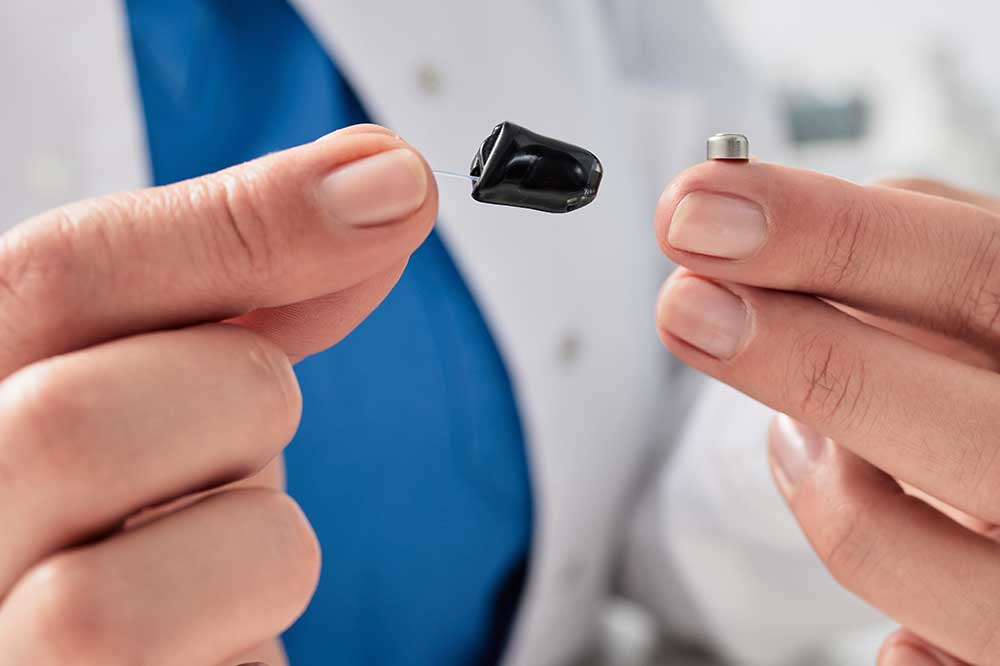
Hearing aids come with their share of myths: that they stop hearing loss in its tracks, or that wearing them slowly weakens your hearing. At Presbyterian Ear Institute on Cedar Street in Albuquerque, audiologists Seema K. LaGree, Au.D., FAAA, CCC-A, and Christine Epstein, Au.D., CCC-A, can evaluate your hearing, explain what is causing changes, and […]
When one hearing aid suddenly seems quieter, sharper, or fuzzier than the other, it’s easy to assume something is broken. Sometimes it is, but often the cause is simpler. Hearing aids are designed to amplify sound in a way that feels natural, so if one sounds different or less clear than the other, it should […]
Few things are more frustrating than a hearing aid that goes silent in the middle of a conversation. Hearing aid batteries usually last anywhere from three days to several weeks, depending mainly on usage and battery type, and a few simple habits can help you get the most from each one. At Presbyterian Ear Institute […]
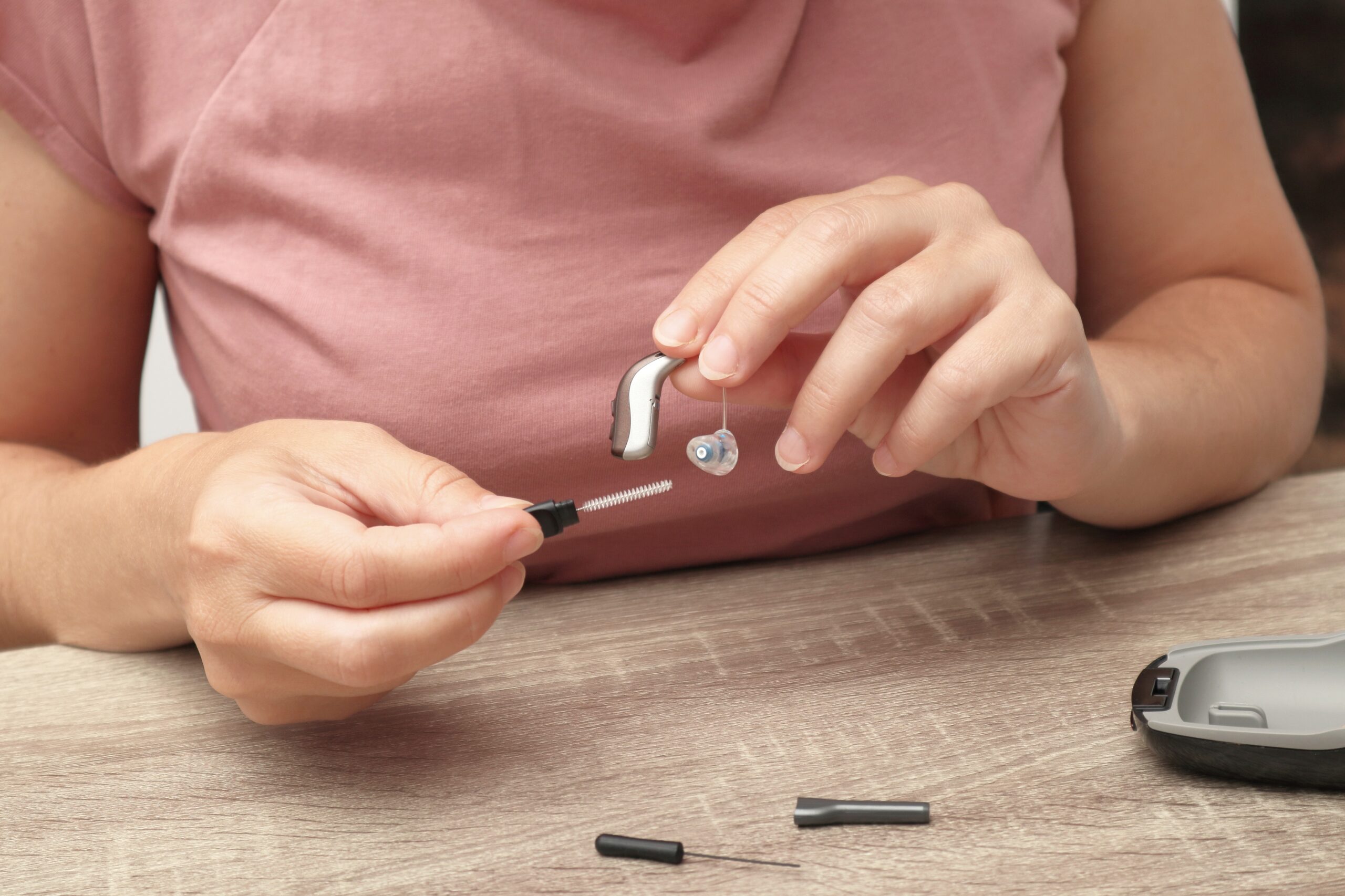
Wax and skin oils collect on hearing aids every day, along with everyday dust and grime. A consistent hearing aid cleaning routine helps keep your devices working well and prevents the frustration of wax and moisture interfering with sound. At Presbyterian Ear Institute in Albuquerque, audiologists Seema K. LaGree, Au.D., FAAA, CCC-A, and Christine Epstein, […]
High-frequency squealing from a hearing aid often begins without warning, creating significant distraction and discomfort until appropriately corrected. Our audiology practice accurately determines whether the whistle relates to physical canal fit, obstructive earwax, acoustic programming, fatigued components, or technical damage. Understand the primary causes of acoustic feedback and learn safe home protocols to fix simple […]
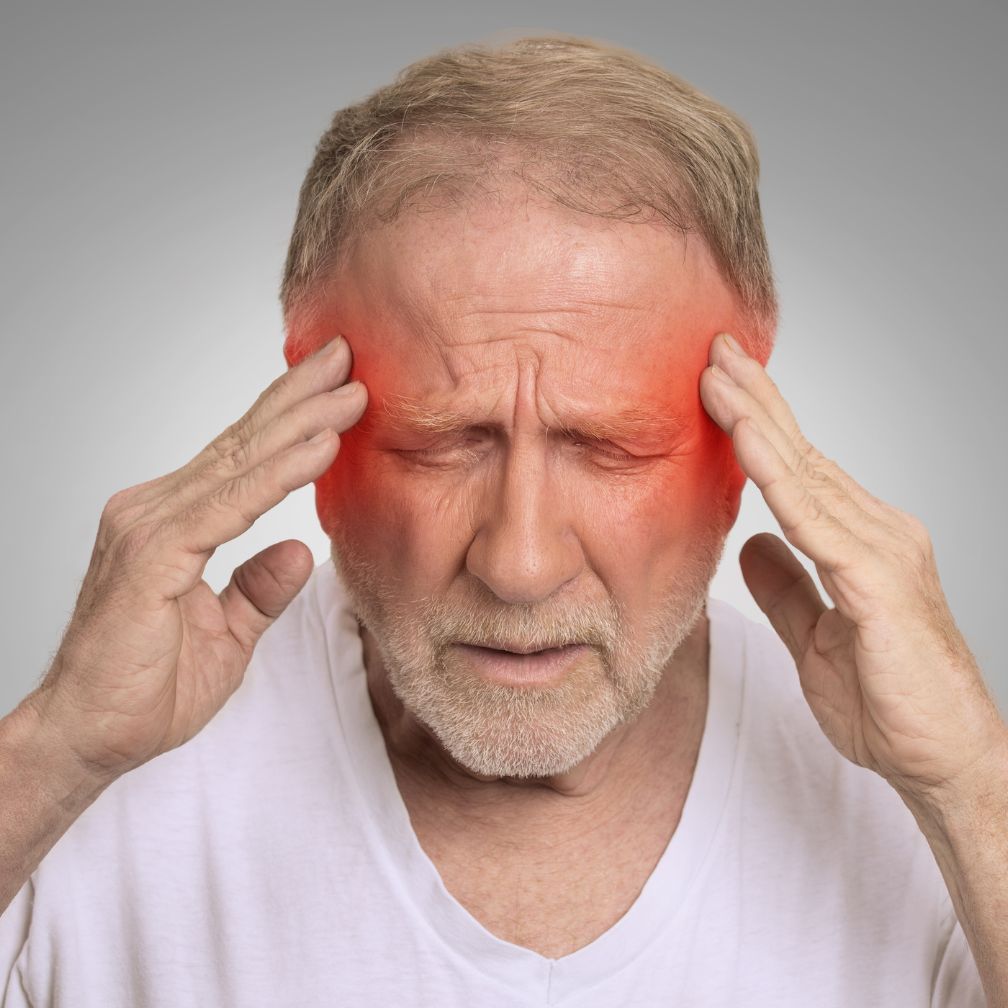
Specialized hearing aids are designed to help address your specific auditory deficit. Irrespective of whether you are new to prescription hearing aids or are a veteran wearer, if your hearing aids produce headaches or lingering aches, a clear fix is available. A fully optimized hearing aid fits effortlessly inside your ear and delivers the exact […]
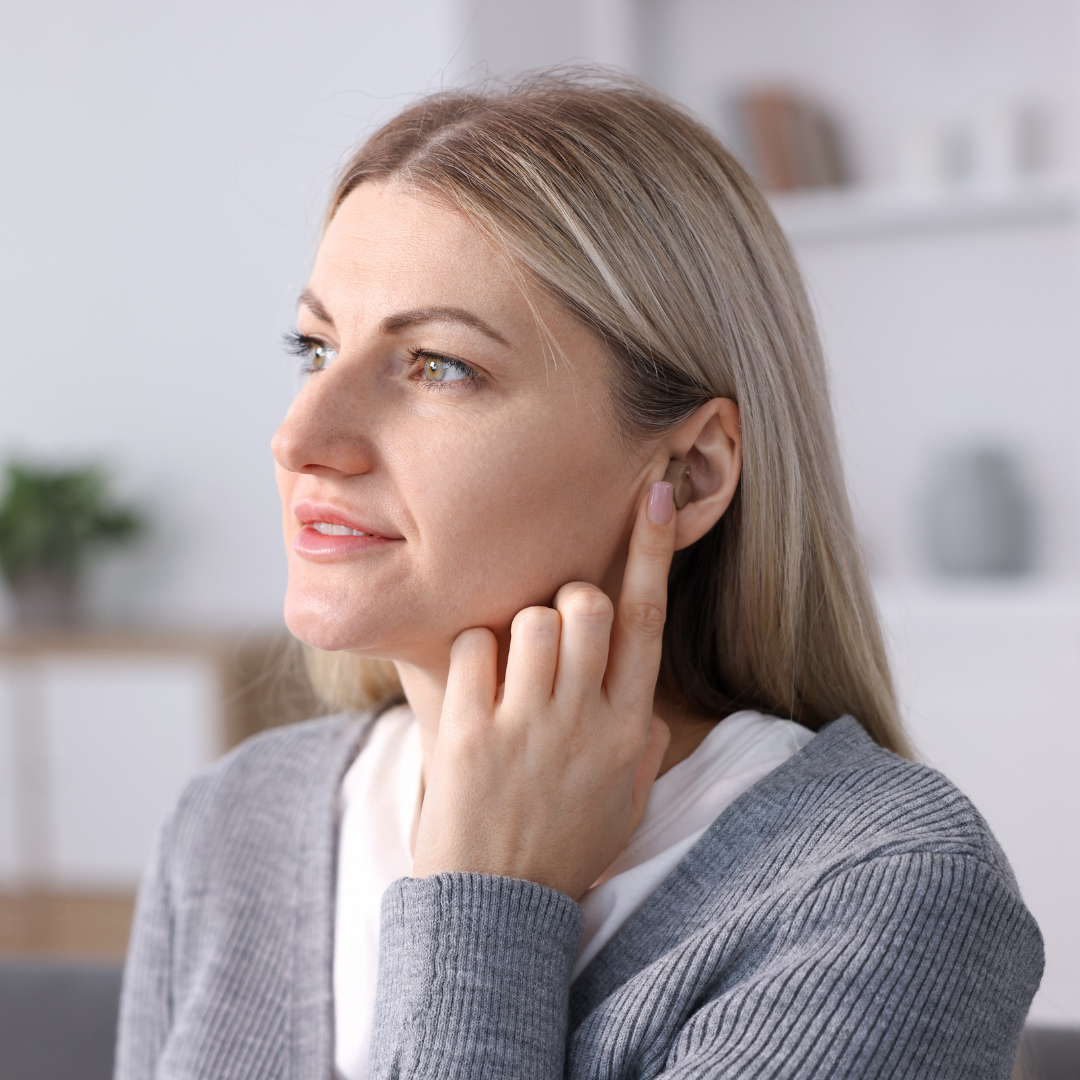
It is incredibly common for individuals to resist getting hearing instruments simply because they dread a bulky appearance or an uncomfortable fit. In past generations, primitive auditory devices were heavy, highly visible, and frequently viewed as an embarrassing marker of advanced age. In some cases, people even worried that they might be left out of […]
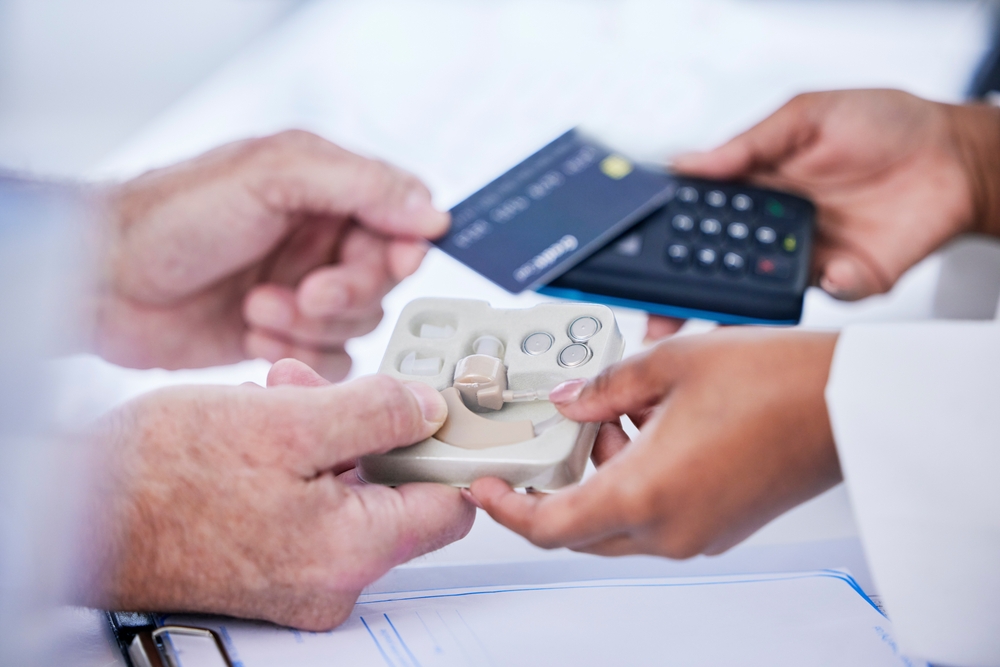
When exploring treatment options for age-related hearing loss or presbycusis, the initial clinical cost of amplification devices can be striking. Depending on the technology and level of care involved, modern hearing aids can range from a few hundred dollars to several thousand. For many people, that comes as a surprise, and it can understandably feel […]
While most assume hearing is localized to the ears, the brain serves as the primary engine for auditory interpretation. The peripheral auditory system gathers sound waves, but the brain’s auditory cortex translates them into meaningful information. When hearing loss develops, the brain receives less information about sound. Over time, reduced stimulation can make listening more […]
Our modern lives depend on remaining linked to people, to data, and to auditory stimuli. Individuals living with hearing loss often find it difficult to keep up with the speed of modern connection when relying on aging hardware. The introduction of Bluetooth technology in hearing aids is transforming lives. By integrating complex digital features with […]